
Engineering / Selection approach

Industrial valve selection & RFQ guide

A structured path from process conditions to valve requirements, actuation and acceptance criteria.

From process data to specification

A clear basis for selection.

Use these six steps to prepare a productive technical discussion.

01

Define the process

Capture normal operation, start-up, shutdown, cleaning and upset conditions. Include media composition, solids and changes of phase.

02

Define the valve duty

Distinguish isolation from control. State flow direction, differential pressure, operating frequency, shut-off criteria and required stroke time.

03

Review the interfaces

Confirm line size, connections, installation orientation, insulation, purge utilities, available space and maintenance access.

04

Specify actuation

Record power or air supply, control signals, fail action, position feedback and environmental requirements.

05

Agree verification

Identify the project’s material, inspection and testing requirements, document scope and acceptance criteria for the offered configuration.

06

Plan the handover

Provide tagging, project schedule and site documentation needs. Review installation and maintenance requirements before final acceptance.

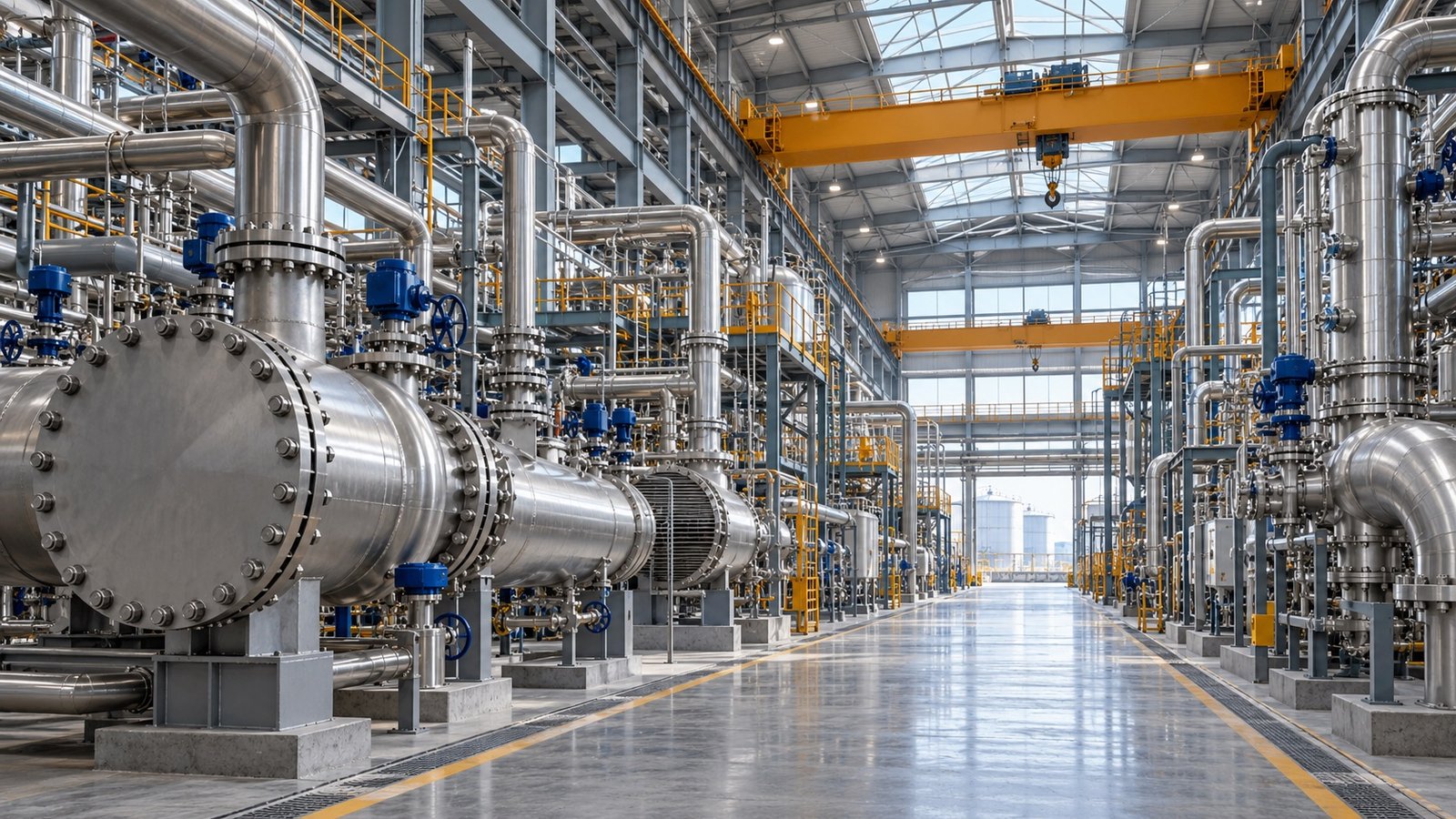
Illustrative industrial process installation
Project documentation

Make requirements explicit.

Share the valve datasheet, process description and applicable project specifications. Where a requirement is unknown, identify it for review.

  • Operating and design pressure/temperature
  • Medium, particles, composition and corrosion considerations
  • Required materials, leakage criteria and test scope
  • Actuator, accessories and control interface
  • Inspection records and document requirements

Tell us what the process demands.

Share the medium, operating envelope and duty cycle to start your application enquiry.

Discuss your application