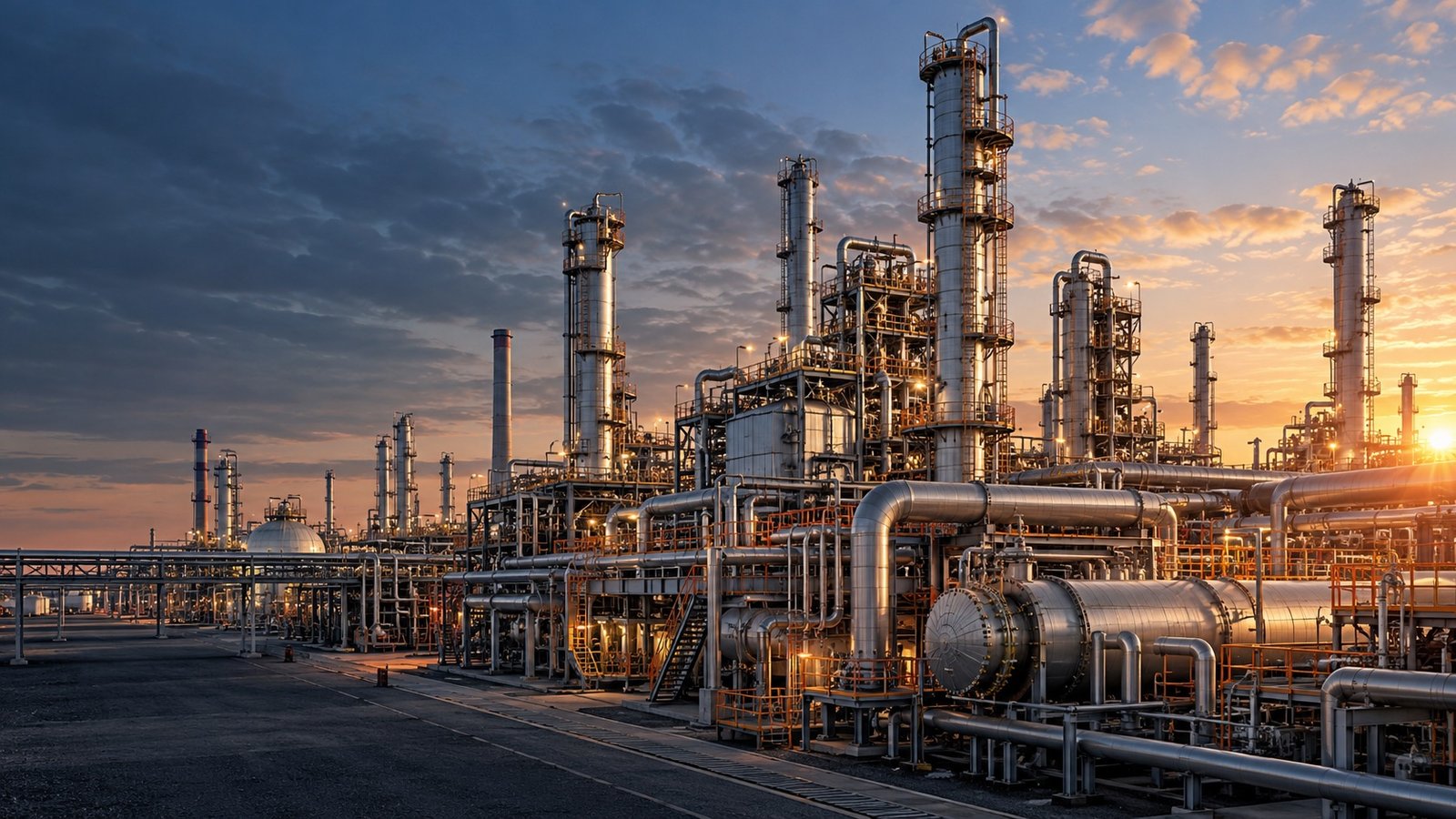
Polyolefin reactor discharge valve requirements
Polymer and powder handling links seat design, cavity behaviour and actuator endurance.
The application
Polyethylene and polypropylene production includes gas-phase and slurry processes. Powder, catalyst residue and frequent operation can challenge sealing and valve movement. Material trapped in internal spaces may interfere with subsequent cycles.
What makes the duty demanding
- Particle accumulation near seats or cavities
- Wear from abrasive powder
- Repeated-cycle loading on valve and actuator
Selection focus
Review particle handling and repeated operation as one duty. Agree the required assembly testing and inspection approach for the actual process.
Technical background
Valmet — Polyolefins and polymers ↗Process background summarised from these primary references. References do not imply affiliation or qualification of a VFLV product.
Related application guides

Ethylene cracking & decoking
Transfer-line and decoking duties combine elevated temperature with changing media and particulate exposure.
Explore application ↗
Urea & ammonia processing
Fertiliser processes require close attention to composition, phase changes and material compatibility.
Explore application ↗Compare specialty valve families
Review the product range as the next step in a service-specific discussion.
Turn the application into a specification.
Prepare your process and valve requirements before requesting a configuration review.
Tell us what the process demands.
Share the medium, operating envelope and duty cycle to start your application enquiry.